
materials
EU releases new guidance on bio-based material certification.
Click to readBio-materials
invented for sheer performance
We research and manufacture novel bio-based molecules to make polymers & formulations that replace fossil-based materials. Industries can move towards greener solution without compromise on economics or scale.
Three fundamentals :
scalable, drop-in and truly circular
01
Scalable
Chemistries that is scale tested to 2 tons per day and can be increased linearly.
02
Drop-in
No change in machinery required, either for manufacturing or application.
03
Circular chemistry
No high-pressure reactors or high temperature conditions.
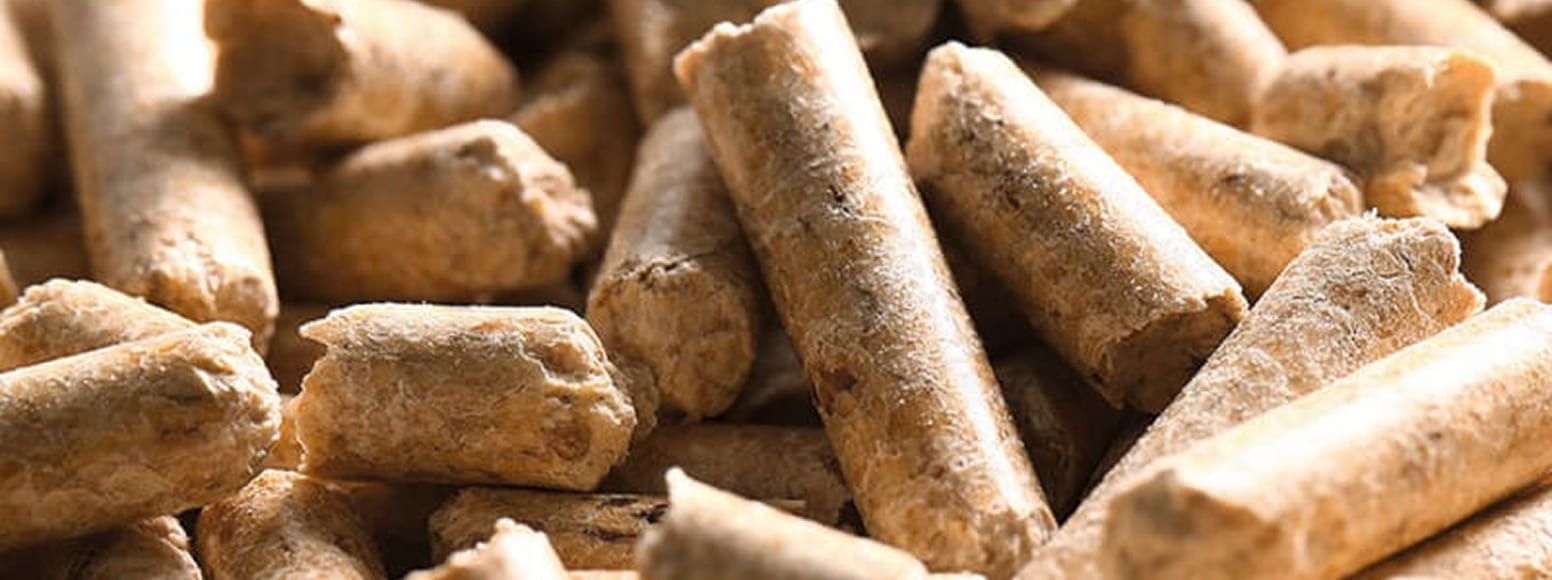
Biomass is the new oil...
adding value to this nature’s ingredient
Biomaterials
aren’t optional anymore
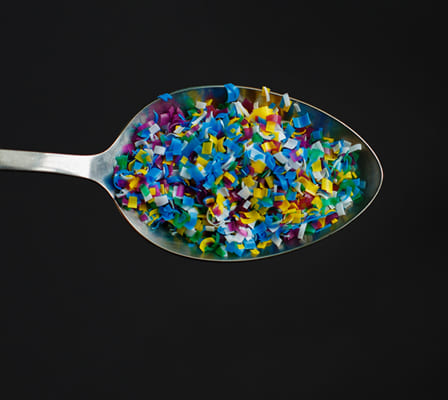
Microplastic ingestion
Average human consumes 260 grams of micro plastic annually through packaging and personal care products.
Toxic PFAS additive
PFAS, common additive for hydrophobicity is highly carcinogenic and is widely used in coating applications.
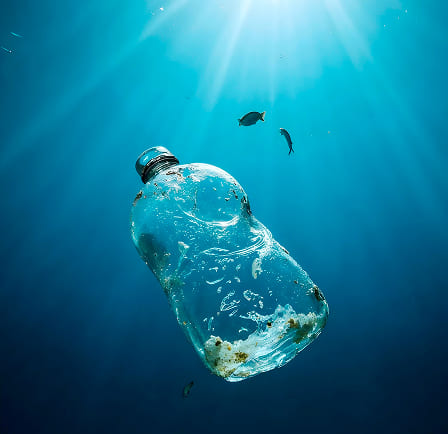
Plastic pollution
1.1B tons of plastic waste generated globally.








Blogs and news
Let’s talk
Total sustainable biomass potential in the EU is estimated between 130 and 260 Mtoe (Million Tonnes of Oil Equivalent). Lignocellulosic biomass accounts for over 80% of this technical potential.
Forestry Residues (Lignocellulosic): The largest category, comprising primary residues (branches, treetops) and secondary residues (sawdust, bark from mills).
Agricultural Residues (Lignocellulosic): Primarily cereal straw, corn stover, and sunflower stalks.
France, Germany, Sweden, Finland and Romania are the region with biggest availability. The resource that is as local as it can get.
Global bio-polymer capacity is growing at a 13–18% CAGR
We are an advanced biomaterials start-up specializing in polysaccharide chemistry. The first product we have developed is a 100% bio-based coating for paper packaging from 2nd generation agricultural biomass, providing a high-performance bio-alternative to microplastics, synthetic chemicals, and PFAS and expensive and non-functional bio-plastics like PLA, PHA etc.
As an example, Sustanix materials aren't just sustainable—they are efficient. Sustainability is the by-product, Performance is the product. We are leveraging the complex architecture of nature to solve engineering challenges that petroleum cannot, positioning Sustanix as an essential partner in the transition to a high-performance circular economy.
The products in the future will be novel just like this one, but the underlying principle will remain the same, that is, develop biomaterials that match or exceed fossil-based materials without compromising on scale, cost or efficiency.